
Can You Sell a Cemetery Plot Back to the Cemetery?
If you have inherited a burial plot you do not need, or you bought one years ago and your plans have changed, your first question is likely: can you sell a cemetery plot back to the cemetery? The short answer is yes, but the reality is rarely in your favor. Cemeteries hold most of the leverage, and the offer you receive will almost certainly fall far below what you might expect.
Table of Contents
- The Short Answer: Yes, But Expect a Lowball Offer
- Why Cemeteries Won’t Pay You Market Value
- Your 5 Best Alternatives to Selling Back to the Cemetery
- Pricing Your Plot: What It’s Really Worth
- How to Avoid Scams in 2026
- The Transfer Process: What to Expect
- Frequently Asked Questions
- Final Verdict: Should You Sell Back to the Cemetery?
This guide walks you through the legal and financial realities of selling back to the cemetery, explains why the deck is stacked against you, and lays out five alternative paths that give you a better shot at recovering real value. The secondary market for burial plots is slow, hyper-local, and full of pitfalls, but with the right strategy, you can turn an unwanted plot into cash or a meaningful tax deduction.
The Short Answer: Yes, But Expect a Lowball Offer
Cemeteries are under no legal obligation to buy back plots they have already sold. A buyback is entirely at their discretion. If you walk into the cemetery office hoping for a fair deal, you are likely to walk out disappointed.

When cemeteries do agree to repurchase a plot, they base their offer on the original purchase price, not the current retail value. Given that plot prices have risen steadily in many markets over the past decade, this means your offer could be as low as 10 to 20 percent of what the same plot sells for today. The cemetery holds all the leverage. They know the secondary market is slow, they know you have few alternatives, and they know that many sellers eventually give up and accept whatever is offered.
Transfer fees add another layer of cost. These fees, often around $295, cover the administrative work of updating the cemetery’s records. In some cases, the cemetery may waive the transfer fee if the buyer also purchases additional goods or services, such as a vault, a monument, or opening and closing fees. But if you are simply selling back, expect that fee to come out of your pocket or be deducted from your already meager payout.
Why Cemeteries Won’t Pay You Market Value
Understanding the cemetery’s business position explains why their offers are so low. The first factor is oversupply. Cremation rates in the United States have climbed past 60 percent and continue to rise. Families are more mobile than ever, relocating across the country and losing ties to local cemeteries. The result is that many cemeteries are sitting on plenty of unsold inventory. They simply do not need your plot.
The second factor is profit margin. When a cemetery sells a plot at retail, that price includes the cost of land development, perpetual maintenance, administrative overhead, and a healthy profit. When they buy your plot back at a fraction of retail, they can resell it at full price and capture the entire margin. From their perspective, buying low and selling high is just good business.
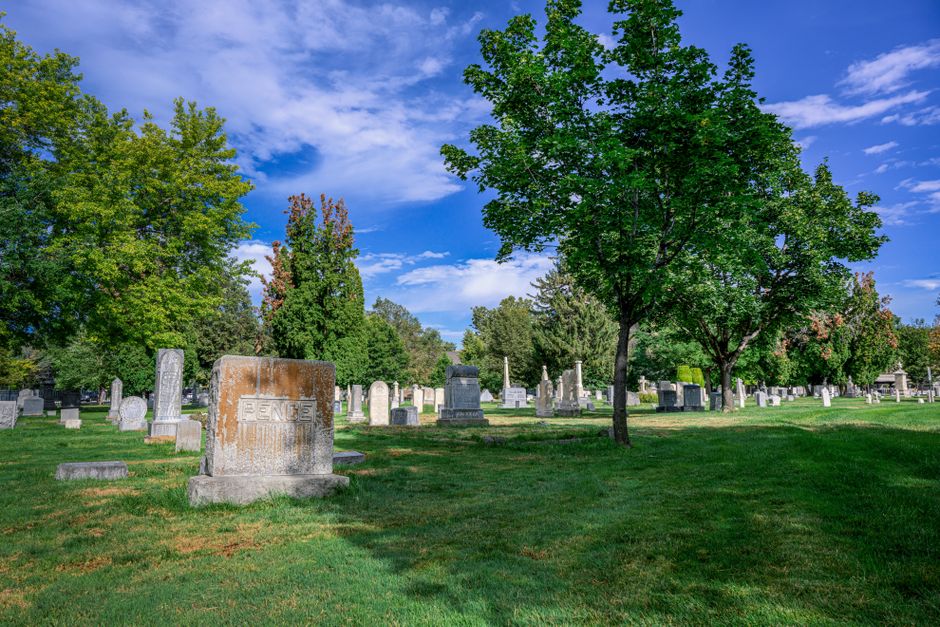
The third factor is legal status. In most US jurisdictions, a cemetery plot is not real estate. You do not own the land beneath the grave. What you purchased is a right of interment, a license to be buried in that specific space. This distinction has one small upside: you will not owe capital gains tax on any resale. But it also means you have no property rights to assert in a buyback negotiation. You cannot force the cemetery to deal with you.
Finally, some states give cemeteries a right of first refusal. In New York, for example, the cemetery may have the legal right to buy back your plot before you can sell it to anyone else. This restriction limits your pool of potential buyers and keeps resale prices depressed. Always check your original contract or deed for any such clause before you attempt a private sale.
Your 5 Best Alternatives to Selling Back to the Cemetery
Given the bleak buyback landscape, most sellers are better off pursuing other avenues. Here are five strategies, ranked from most promising to last resort.
1. List It on a Dedicated Online Marketplace
Online platforms give you access to a national audience of buyers. Craigslist, Facebook Marketplace, and dedicated cemetery plot resale sites like PlotBroker or CemeteryExchange are the most common venues. The tradeoff is that you are competing with hundreds of other sellers, many of whom are equally motivated to offload their plots.
Pricing is everything online. Successful sellers routinely list at one-third of the cemetery’s current retail price. If the cemetery sells a single plot for $4,500 today, you should expect to list around $1,500. Even at that price, be prepared for a long wait. Plots can sit for months or years before the right buyer appears.
Scams are a serious and growing problem on these platforms. Never accept a check for more than your asking price, never wire money to a stranger, and never share your Social Security number, deed copy, or bank details with an unverified buyer. AI-powered phishing attacks, where scammers create convincing fake buyer profiles, are on the rise in 2026. If an offer sounds too good to be true, it is.
2. Partner with Local Funeral Homes (The Low-Tech Winner)
Funeral homes are the most underrated channel for selling a cemetery plot. Funeral directors speak with grieving families every single day, and many of those families need a burial space immediately. They are not browsing online listings; they are making decisions under pressure, often within 24 to 48 hours.
The strategy is simple. Visit two or three local funeral homes in person. Bring a one-page sheet with your plot details: the cemetery name and address, the plot location within the cemetery, your asking price, and a copy of the deed or certificate of ownership. Ask the funeral director to keep this information in a folder for families at need. Most directors are happy to help because it allows them to serve their clients better.
This method works because it targets motivated buyers at the exact moment of need. One seller reported success using this exact approach, selling a plot at roughly one-third of retail within a few months of leaving information with two funeral homes. There are no listing fees, no scam risks, and no drawn-out negotiations with strangers online.
3. Hire a Licensed Cemetery Broker
In states like California, cemetery brokers are licensed and bonded professionals who specialize in reselling burial plots. They handle everything: listing the plot, vetting buyers, managing the transfer paperwork, and holding funds in escrow until the transaction closes.
Brokers take a commission, typically 15 to 30 percent of the sale price. That is a significant cut, but it buys you peace of mind. You offload the work entirely and eliminate the risk of falling victim to a scam. This option makes the most sense if you are not comfortable navigating online marketplaces, if the plot is in a high-demand area where a broker can command a better price, or if you simply want the matter resolved without your ongoing involvement.
4. Donate the Plot (With a Tax Strategy)
Donating a cemetery plot sounds like a straightforward charitable act, but the reality is more complicated. Many hospices, churches, and nonprofit organizations are awash in donated plots they cannot give away. One hospice reported holding more than 250 donated cemetery lots that sat unused because the recipients could not afford the associated burial costs.
The hidden cost is the problem. Even when the plot itself is free, the recipient still needs to pay for opening and closing the grave, a burial vault, and a headstone or monument. These costs can easily run $2,000 to $5,000 or more. For a family already struggling financially, a free plot is not enough to make burial affordable.
If you do find a charity willing to accept the donation, the tax treatment depends on how the charity uses the plot. If the organization uses the plot directly for its charitable mission, such as a veterans’ cemetery burying a qualifying veteran, you can deduct the fair market value. If the charity turns around and sells the plot, your deduction is limited to the actual sale price. Consult a tax professional before claiming any deduction.
5. Sell It Back to the Cemetery (As a Last Resort)
If you have exhausted every other option and need cash immediately, selling back to the cemetery is better than nothing. Before you accept an offer, ask about transfer fee waivers. If the cemetery offers to waive the $295 fee in exchange for you purchasing services like a vault or monument, consider it, but only if you were already planning to use those services for another purpose.
Do not accept the first offer without a counter. Politely cite the current retail price of similar plots in the same cemetery. You are unlikely to move the needle much, but even a small improvement is worth the effort. Remember that the cemetery’s opening offer is designed to test how desperate you are.
Pricing Your Plot: What It’s Really Worth
Forget the retail price on the cemetery’s current rate sheet. That number is irrelevant to your resale. Your plot is worth whatever a willing buyer in your local market will pay, and that figure is almost always far below retail.
A realistic benchmark for a standard single plot is 25 to 40 percent of the cemetery’s current retail price. If the cemetery sells a plot for $5,000, aim for $1,250 to $2,000. For family plots, double-depth plots, or spaces in prime locations, such as under a mature shade tree or near a notable landmark, you might push closer to 50 percent.
The only way to gauge real market value is to check current listings. Search eBay, Craigslist, and dedicated cemetery resale sites for plots in your specific cemetery or region. Look at what sellers are asking, but pay closer attention to listings that have been marked sold or taken down. Asking prices are aspirational; sold prices are reality. Be prepared to negotiate. Buyers know the market is slow, and they will lowball you just as the cemetery would.
How to Avoid Scams in 2026
Scams targeting cemetery plot sellers have grown more sophisticated. The classic overpayment scam remains the most common: a buyer sends a check for more than your asking price, asks you to deposit it and wire back the difference, and then the original check bounces, leaving you on the hook for the full amount. Never accept a check for more than the agreed price.
Identity theft is the second major risk. Scammers will ask for a copy of your deed, your Social Security number, or your bank account details under the guise of verifying the transaction. Once they have that information, they can open accounts in your name or drain your existing ones. Never share sensitive personal data with an unverified buyer.
Use cash for in-person transactions or a secure escrow service for remote ones. Never wire money directly. If a buyer insists on a wire transfer, walk away. AI-generated fake buyer profiles are a growing threat in 2026. These profiles can include realistic photos, convincing backstories, and even video calls powered by deepfake technology. If an offer feels rushed, overly generous, or otherwise off, trust your instincts.
The Transfer Process: What to Expect
Once you find a buyer, the transfer process is straightforward but requires specific paperwork. You will need the original deed or certificate of ownership. If you have lost it, contact the cemetery office. They can issue a replacement, usually for a small fee.
The cemetery will charge a transfer fee, typically between $100 and $500, to update their records and issue a new deed in the buyer’s name. Confirm who pays this fee before you close the deal. In some cases, the seller covers it; in others, the buyer does. Get the agreement in writing.
Some cemeteries require the buyer to also purchase opening and closing services directly from them as a condition of the transfer. This requirement can add thousands of dollars to the buyer’s total cost and may scare off potential purchasers. Factor this into your pricing and be upfront with buyers about any such requirements.
Frequently Asked Questions
Can you sell a cemetery plot back to the cemetery if you still owe money on it?
Usually not. If you financed the plot and still carry a balance, the cemetery holds a lien on the right of interment. You must pay off the remaining balance before you can transfer ownership, or you must find a buyer willing to assume the debt. Most private buyers will not agree to this, which makes selling a financed plot significantly harder.
How long does it take to sell a cemetery plot?
There is no reliable average. Some plots sell in weeks, particularly if they are priced aggressively and listed with a local funeral home that has an immediate need. Others sit for years without a single inquiry. The market is small, slow, and entirely dependent on finding the right buyer at the right moment. Patience is not just helpful; it is essential.
Is it legal to sell a cemetery plot for profit?
Yes, in most states, you can sell a cemetery plot for whatever price the market will bear. However, some cemeteries include a right of first refusal clause in their contracts, giving them the option to buy the plot back before you can sell it to a third party. Check your original deed or contract carefully. If such a clause exists, you must give the cemetery the first opportunity to purchase.
Final Verdict: Should You Sell Back to the Cemetery?
Only as a last resort. The offer will almost certainly be insultingly low, and you will walk away with a fraction of what the plot is worth to a private buyer. The best strategy for 2026 is to list online at one-third of retail, partner with two or three local funeral homes, and commit to patience. If months pass with no interest, consider donation with a tax deduction as your exit strategy. Whatever path you choose, protect yourself. Use an escrow service for remote transactions, never share personal data with strangers, and remember that a slow sale is better than a fast scam.